Williams driver and GPDA director warns that changing geopolitical circumstances could threaten Formula 1’s planned 2026 season finale
Carlos Sainz has questioned Formula 1 and the FIA’s confidence that the Qatar and Abu Dhabi Grands Prix will proceed as scheduled, warning that the situation in the Middle East remains too unpredictable to offer firm guarantees.
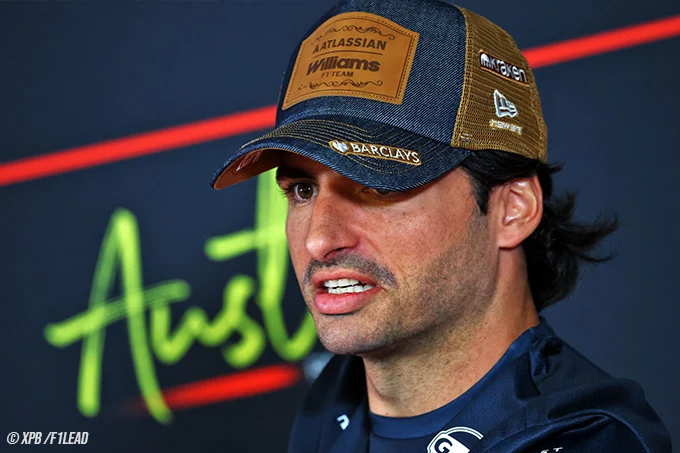
Speaking ahead of the United States Grand Prix in Austin, the Williams driver and Grand Prix Drivers’ Association (GPDA) director called for flexibility as regional tensions and upcoming political developments threaten to complicate the final stages of the 2026 Formula 1 season.
Formula 1 remains committed to its Middle East finale
Formula 1 continues to plan for the final two rounds of the 2026 championship to take place in the Middle East, despite ongoing concerns about regional security.
Qatar is scheduled to host the penultimate Grand Prix at the end of November, with Abu Dhabi set to stage the season finale during the first weekend of December.
Formula One Management (FOM) and the Fédération Internationale de l’Automobile (FIA) remain determined to hold both events according to the original calendar.
Their position is based partly on information and assurances received from the relevant stakeholders.
However, the geopolitical situation remains highly volatile.
The continuing conflict involving the United States, Israel and Iran shows no signs of resolution, while renewed Houthi rebel strikes against Saudi Arabia have added to concerns about security across the region.
Another significant political development is approaching, with the United States midterm elections scheduled for November 3.
According to reports from several media outlets cited in the original article, the United States and Israel are preparing further attacks against Iran following the elections.
Such developments could alter the security situation in the weeks leading up to the final two Grands Prix.
Sainz questions the certainty expressed by F1 and the FIA
Speaking to the media in Austin on Thursday, Sainz acknowledged that Formula 1’s leadership appears confident that the Qatar and Abu Dhabi races can go ahead.
However, the Spanish driver said he finds it difficult to share that confidence given the continuing developments in the Middle East.
Sainz stressed that he was expressing his personal opinion rather than speaking officially on behalf of the GPDA, of which he is one of the directors.
“They seem very convinced that the races are going to happen. Personally, and I’m not speaking on behalf of the GPDA, it’s very difficult for me to be as convinced at the moment because there’s still so much happening in the Middle East.”
He also pointed to the potential impact of political developments in the United States and elsewhere.
“There are also, obviously, elections coming up in the United States, as well as events in world politics that could very suddenly affect the next month and a half.”
“So I think it’s relatively premature to express that level of certainty.”
His concerns centre on the unpredictability of the situation rather than an immediate demand for either race to be cancelled.
Imola emerges as a potential alternative
While continuing preparations for Qatar and Abu Dhabi, Formula 1 is also working on a contingency plan should security conditions prevent either event from taking place.
Imola is among the circuits being considered as a possible replacement venue for the season finale.
Under the scenario outlined in the original report, a race at the Italian circuit could take place during the weekend originally allocated to the Abu Dhabi Grand Prix in early December.
The existence of such an alternative indicates that championship organisers have considered the possibility of a late calendar change.
Nevertheless, the preference expressed by Formula 1 officials remains to stage both Middle Eastern races as originally planned.
The championship intends to continue its preparations based on the information currently available and the assurances received from the relevant parties.
Sainz’s position is therefore not that the two races should be cancelled immediately, but that Formula 1 must remain prepared to implement an alternative if circumstances change.
Drivers must ultimately trust the FIA’s safety assessment
Despite his reservations, Sainz acknowledged that drivers do not have access to the same level of information as Formula 1 and FIA officials.
He accepted that the final decision regarding the safety of the events rests with the governing body and championship organisers.
“As things stand, we’re going to Qatar and Abu Dhabi. If the FIA and Formula 1 decide that it’s still safe and the conditions are good, I think as drivers we have to follow what they say.”
“It’s not as if we have as much inside information as they do. So we have to follow their recommendations and trust their decisions.”
However, Sainz reiterated that the current situation cannot be treated as a guarantee that the races will take place.
“That’s only as things stand right now. I think the world can change a lot over the next month and a half.”
“So we have to be able to react to whatever happens and not simply go there because we want to go there today.”
For Sainz, maintaining flexibility is essential as the championship approaches its final two rounds.
Piastri and Hadjar express different perspectives
Other drivers attending the Austin press conference were also asked about the uncertainty surrounding the final races.
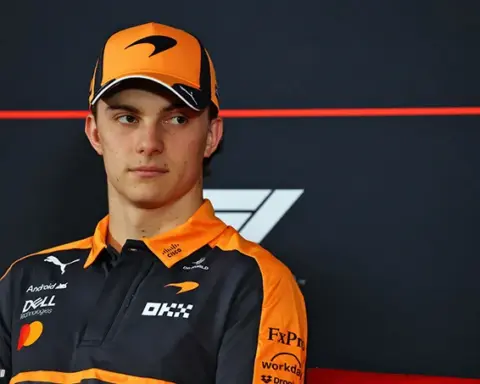
Oscar Piastri expressed confidence in the championship’s governing authorities.
“I trust the FIA and F1.”
“There have been difficult situations in the past, conflicts and all sorts of things, so yes, let’s trust F1 and the FIA and listen to their advice.”
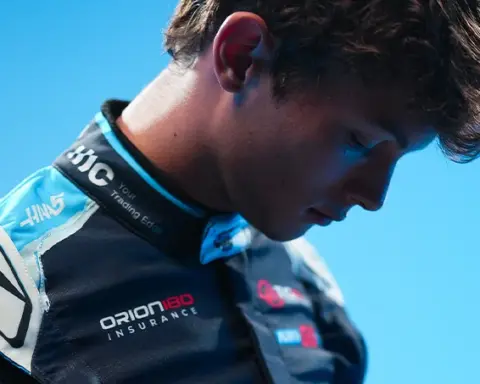
Isack Hadjar took a more straightforward approach, explaining that such decisions fall outside his responsibilities as a driver.
“I’m not really sure. It’s out of my control, so I race at whichever circuit I’m supposed to race at. That’s all.”
Their comments reflected a willingness to leave the assessment of geopolitical risks and race safety to the organisations responsible for managing the championship.
Sainz explains the limits of the GPDA’s involvement
Sainz was also asked whether the GPDA felt a responsibility to communicate concerns about the Middle Eastern races directly to the FIA.
He explained that while the drivers’ association plays an important role in sporting and safety matters, it does not possess the intelligence or political contacts available to Formula 1 and the governing body.
“Within the GPDA, despite our unity, we don’t have half the information that Formula 1 and the FIA have, considering all the political battles taking place around the world.”
He outlined the areas in which the drivers’ association can make a meaningful contribution.
“The GPDA can contribute greatly to understanding this sport, or help the FIA and F1 understand it better, by identifying what improves the competition, what makes a circuit better, or what needs to change to improve safety.”
However, Sainz distinguished those responsibilities from the complex political issues currently affecting the Middle East.
“But when it comes to political matters, let’s be realistic: none of us has the information or the contacts that F1 and the FIA have.”
He acknowledged that the drivers, like the media, must ultimately rely on the judgement of the championship’s decision-makers.
“Just like you [the media], we have to trust, to a certain extent, the decisions made by F1 and the FIA on this subject.”
“But as I said before, we have to remain vigilant and watch how the situation develops. I think they will act accordingly and make the right decision when the time comes.”
Colapinto places full confidence in F1 and FIA decisions
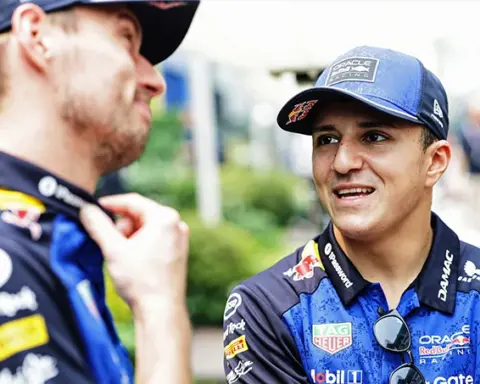
Franco Colapinto also addressed the uncertainty surrounding the final two races, expressing confidence that Formula 1 and the FIA would make the appropriate decision.
The Argentine driver said he was comfortable accepting whichever course of action the governing authorities ultimately considered necessary.
“I’m comfortable with whatever decision F1 and the FIA make.”
He emphasised that protecting drivers and other participants would be a priority for the organisations involved.
“They will be the first to look after our safety.”
Colapinto also recognised the greater access to information available to Formula 1 and the FIA.
“They have much more information than we do, and they’re experts in their field. It’s their job to make the decision and choose the best possible option.”
“So I have complete confidence in whatever solutions they consider feasible.”
Formula 1 faces a potentially decisive six weeks
With the Qatar Grand Prix scheduled for late November and Abu Dhabi set to conclude the championship in early December, Formula 1 is continuing its preparations while monitoring developments in the Middle East.
The FIA and FOM remain confident that both races can proceed, but Sainz believes the situation could change significantly before the championship reaches its final rounds.
Although the Williams driver accepts that the authorities possess information unavailable to the drivers, he maintains that their current confidence should not prevent them from reconsidering their plans if security conditions deteriorate.
For now, Qatar and Abu Dhabi remain on the calendar, with Imola identified as a potential alternative should a change become necessary.
The final decision will depend on how circumstances develop and on the safety assessments made by Formula 1 and the FIA in the coming weeks.